
How Progesterone Can Ease Your Transition Into Menopause

Shop

As women transition into menopause they may experience a myriad of changes and symptoms, including hot flashes, insomnia, vaginal dryness, and weight gain. This is due to the drastic reduction of reproductive hormones, progesterone being one of them.

hormones
Image by Lecturio

Progesterone, also known as the “pregnancy hormone,” plays a role in preparing the uterus for pregnancy. It also regulates the menstrual cycle, supports thyroid function, stabilizes mood, and more.

Maintaining levels of this significant hormone is vital for women experiencing menopause and perimenopause. This balance plays a pivotal role in making sure the onset symptoms aren’t terribly disruptive to living daily life.

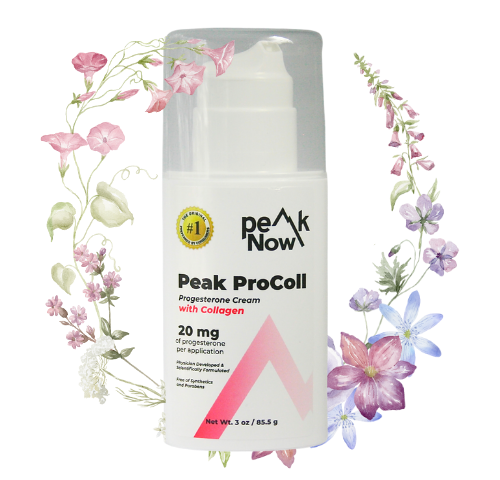
A daily application of Peak Procoll delivers 20mg of Progesterone and can relieve menopausal symptoms. Applying it topically bypasses the liver’s metabolism and allows for a quicker, more efficient delivery.

A clinical trial conducted in 2023 found significant improvements in night sweats and sleep quality in perimenopausal women aged 35-58 who took Progesterone for four months.

The neurological and physical transition into menopause doesn’t need to feel like a decline. Modern science has given us access to solutions to make this vulnerable period of a woman’s life more manageable and less disruptive.

Sources:

Disclaimer: The information provided regarding Peaks Curative compound offerings are for compounded formulations and are NOT an FDA-approved drug label. The suggested formulations are provided for reference only and are based on formulations that have historically been ordered by duly licensed professionals. Compounded products are exempt from FDA approval and no claims are made to the safety and efficacy of any compounded product for any indication or specific use. Learn More Disclaimer: The information provided regarding Peaks Curative compound offerings are for compounded formulations and are NOT an FDA-approved drug label. The suggested formulations are provided for reference only and are based on formulations that have historically been ordered by duly licensed professionals. Compounded products are exempt from FDA approval and no claims are made to the safety and efficacy of any compounded product for any indication or specific use.

Prescribing of the compounds must be based upon the professional judgment of the licensed health care provider after considering the patient's unique medical condition and factors including body weight, size and overall health status. No liability attaches in any way to any actual or alleged injury to any person or any damage to any tangible property if the compounded product is used beyond the scope as prescribed by your physician.

The licensed pharmacist and/or licensed physician maintains the responsibility to ensure compliance with Section 503A of the Food, Drug and Cosmetic Act, including the requirement that a compound be dispensed pursuant to a valid prescription, from a licensed prescriber, for an identified individual patient. The licensed pharmacist and/or licensed physician is also responsible for ensuring that none of the ingredients appear on an exclusion list maintained by the FDA, and that all the ingredients may be lawfully used in pharmacy compounding. Show Less